

You’re buying a sketchbook—look at the paper, density, and size. But when you start drawing on the spread, it turns out: the pages don’t lie flat, the middle springs up, and the pencil gets stuck in the spine. This isn’t a paper problem—it’s a binding problem. Let’s figure out what types of spreads there are and what actually determines how convenient a sketchbook is.
What types of sketchbook spreads are there
Glued (book-style) spread
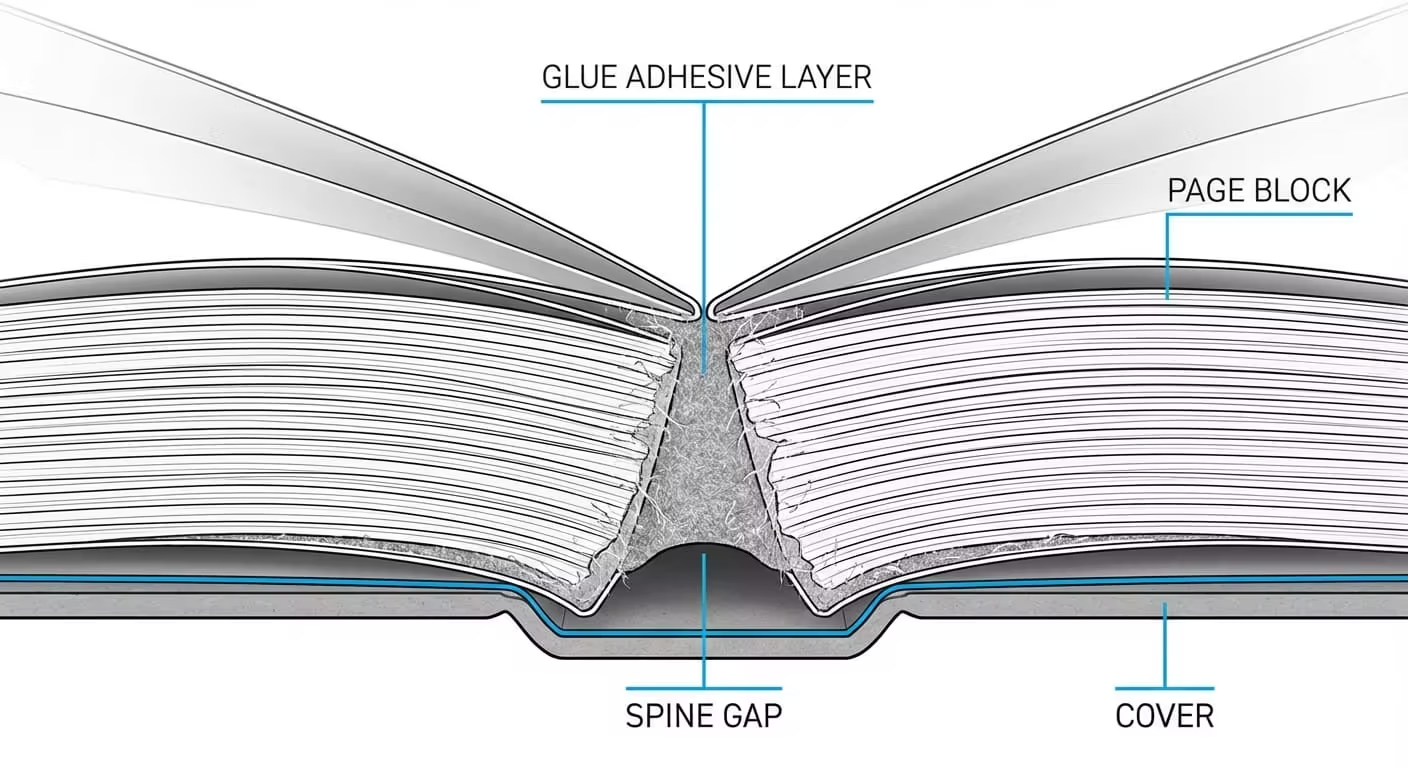
The most common type. Pages are glued together at the spine—just like in a regular book. The sketchbook holds its shape well and looks neat. Minus: when drawing on the spread, the center of the page «falls into» the spine, your hand rests unevenly. Great for sketches on a single page. Limited for two-page compositions.
Stitched binding (lies open at 180°)
The pages are stitched with thread in blocks, and then glued into the cover. A high-quality stitched binding allows the sketchbook to lie perfectly flat—without springing in the spine, and without a height difference between pages. The spread becomes one single surface. This is the type chosen by people who draw on two sheets or keep a two-page bullet journal spread.
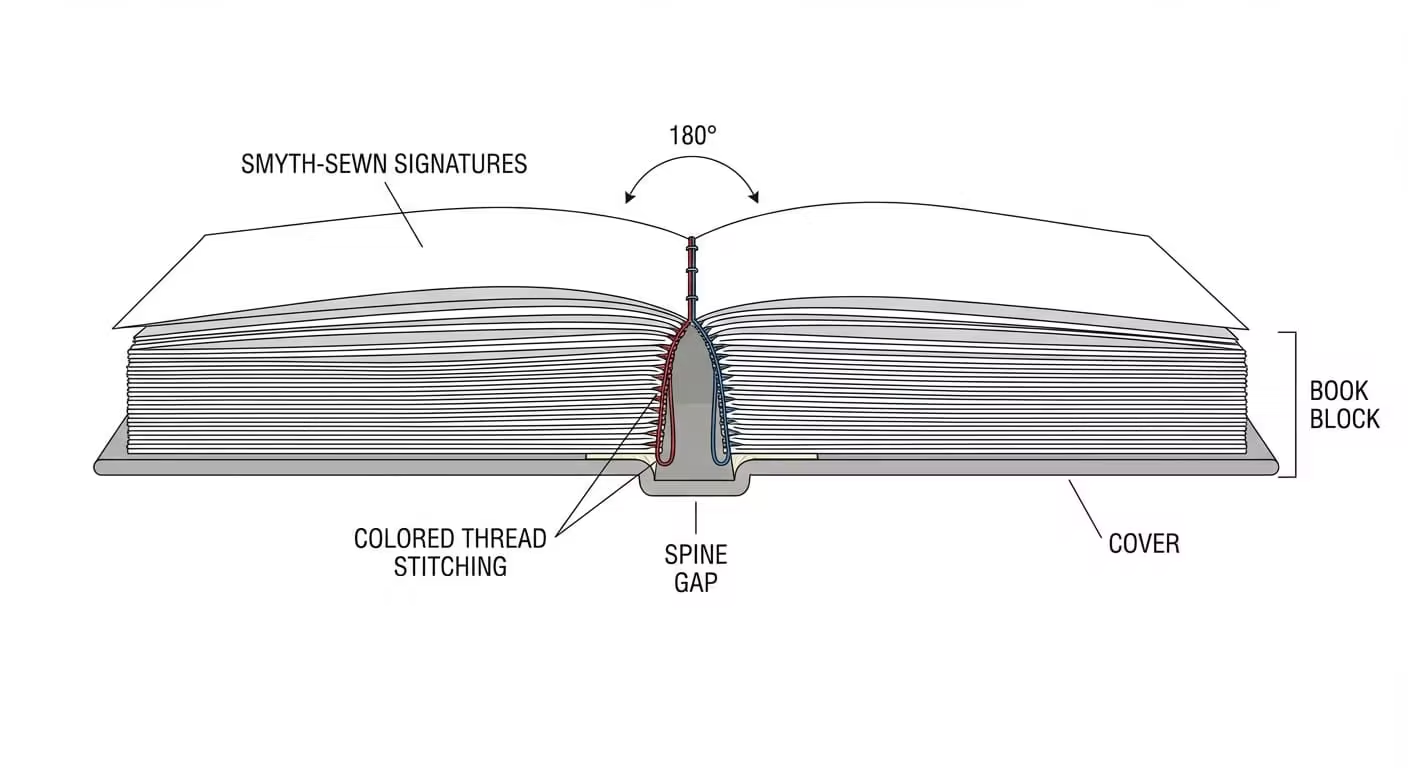
Important detail: not every «stitched» binding truly opens to 180°. It depends on how elastic the glue is and how deeply the block is glued into the cover.
Ring binding (spiral)
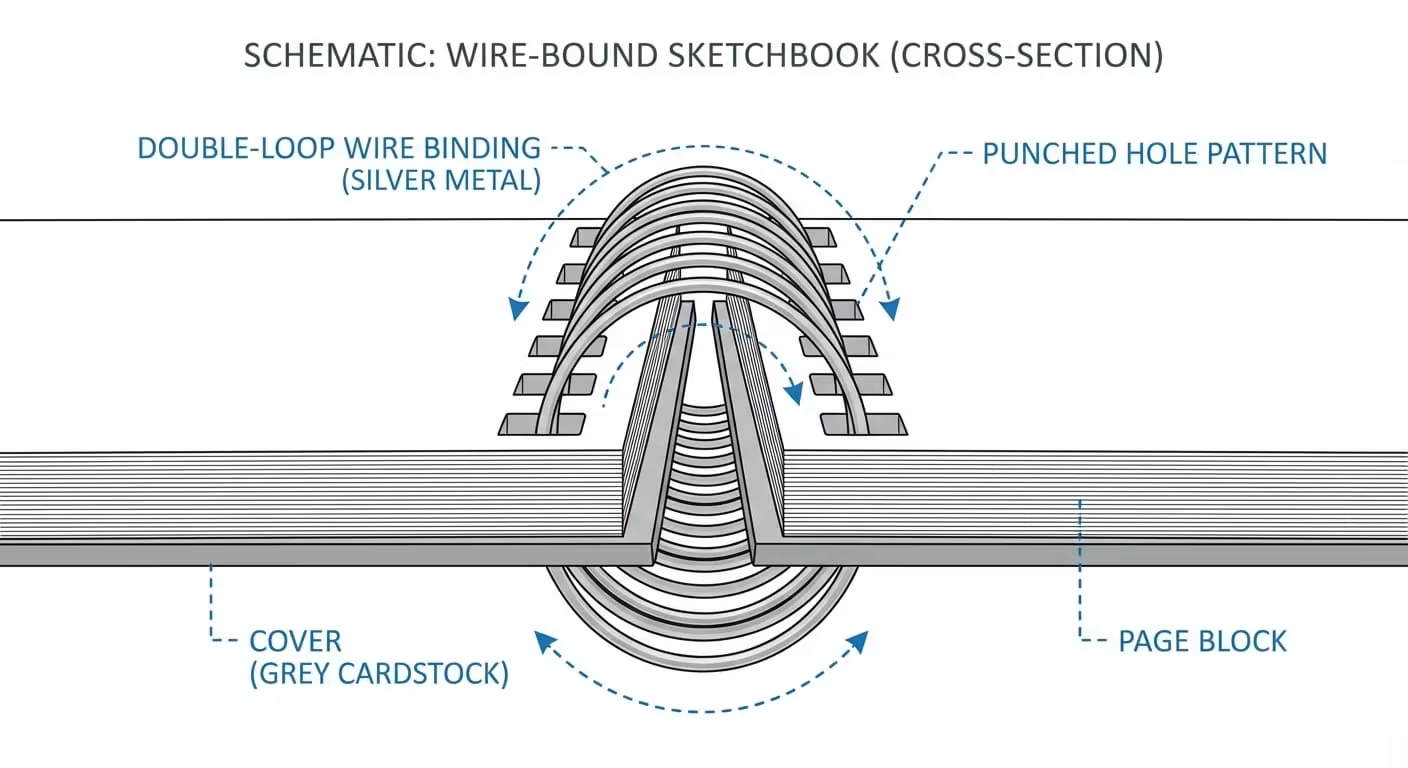
A metal or plastic spiral allows you to turn the sheet completely—each page lies flat. Minus: the rings get in the way of your hand when drawing on the left, and the sketchbook is less durable for long-term use. A good option for studios and quick sketches, but not the best choice for carrying every day.
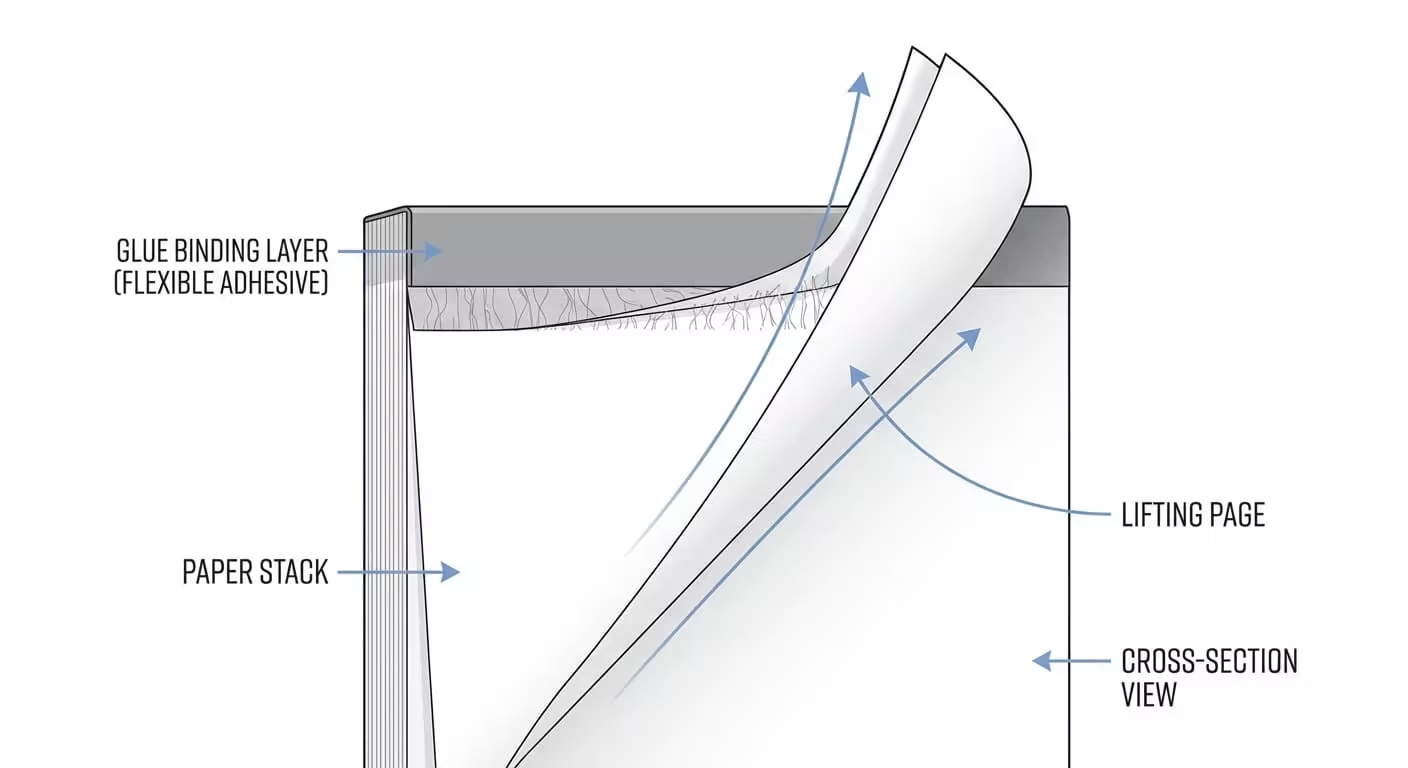
Thermal-glued block without a cover (pad)
Sheets are glued on the top or bottom and come off one by one. Convenient for working with large formats or with watercolor. Not suitable for those who want to keep artworks in a single block.
Why binding quality matters more than paper quality
Suppose you have excellent paper in your sketchbook—thick, smooth, with no show-through. But the binding is glue-based and the spine is rigid. What happens:
- When drawing in the center of the spread, your hand rests on a height difference—the lines come out uneven.
- If you press, the spine cracks—the block comes unglued after a few weeks.
- Pages next to the spine deform from moisture or pressure.
Good paper in a bad binding is like a good mattress on a broken frame. The binding determines whether a sketchbook is convenient to work with, not just pleasant to the touch.
How to check the binding quality before buying
- Open it in the middle and let go. A good stitched binding stays open or closes slowly. A bad one springs back immediately.
- Place it open on the table. The pages should lie flat, without a «hump» in the spine.
- Look at the spine from the side. The block should not protrude above the cover—this indicates poor gluing.
- Flip to the last sheet. If it stays as flat as the first, the binding is good.
Which spread type to choose for your needs
- Drawing on one page — any type will do, including glued binding.
- Two-page sketches and illustrations — only a quality stitched binding that opens to 180°.
- Bullet journal spreads — stitched binding or rings (depending on whether the rings get in the way).
- Watercolor and markers — stitched binding or pad; the glued spine deforms from moisture.
- Carry it every day — stitched binding in a hard cover: the most durable option.
Frequently asked questions
Can a rigid spine be «broken in»?
Partly. If you carefully bend the sketchbook in sections—10–15 sheets on each side—the glued spine becomes softer. But it will never open to 180° unless the binding is stitched. This isn’t a defect—it’s the design.
Does stitched binding get worse from frequent use?
A good one—no. The threads hold the block even with active daily use for years. That’s why sketchbooks with stitched binding cost more: manufacturing costs are higher, but the lifespan is dramatically better.
Does the type of binding affect paper quality?
Directly—no. But there’s an indirect correlation: manufacturers who use high-quality stitched binding typically also use better paper. Cheap binding rarely goes with a good paper block.
What’s better for watercolor—stitched binding or pad?
For working at home—pad (paper stretched so it doesn’t deform from water). For working on the go, or if it’s important to keep your artworks together—stitched binding with paper from 200 g/m². The glued spine for watercolor is not recommended.
Binding is something you don’t think about until the first disappointment. If you draw regularly, a convenient spread saves more time and nerves than any technique. Choose a sketchbook that will lie flat.