

Jan Brueghel the Elder: a Still Life as a Blueprint of Perfect Moments
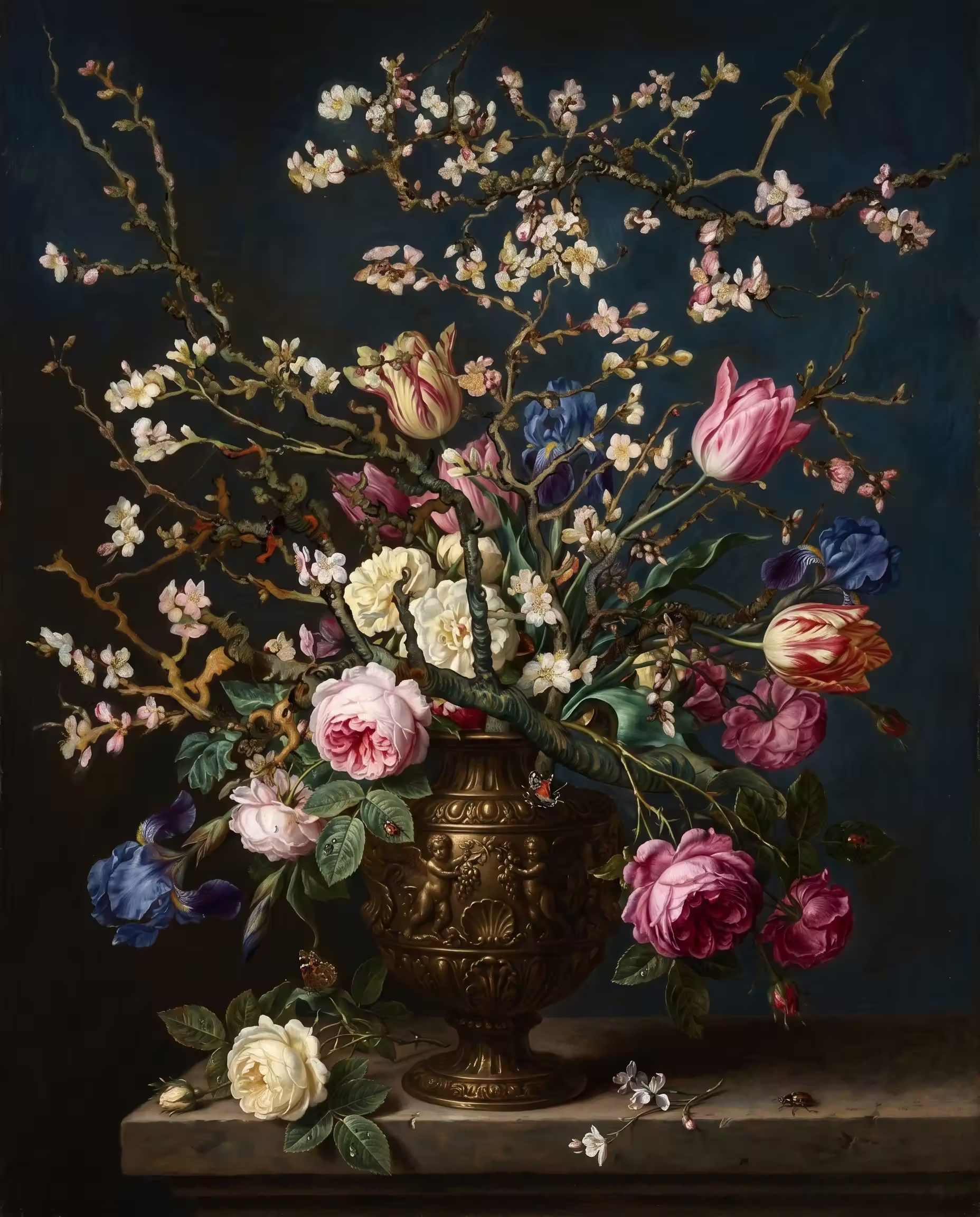
“Flowers In A Vase” — a painting that cannot be painted in a single sitting. Brueghel waited for months until the right flowers bloomed, and only then painted the next petal. This isn’t just painting — it’s a brilliant assembly of perfect moments into a single, timeless work.
The story of its creation: Waiting for spring and letters to the cardinal
Jan Brueghel the Elder was one of the first artists in Europe to make flowers a standalone genre of painting. Works of this caliber were created for very influential patrons. His main patron was the Milanese cardinal Federico Borromeo.
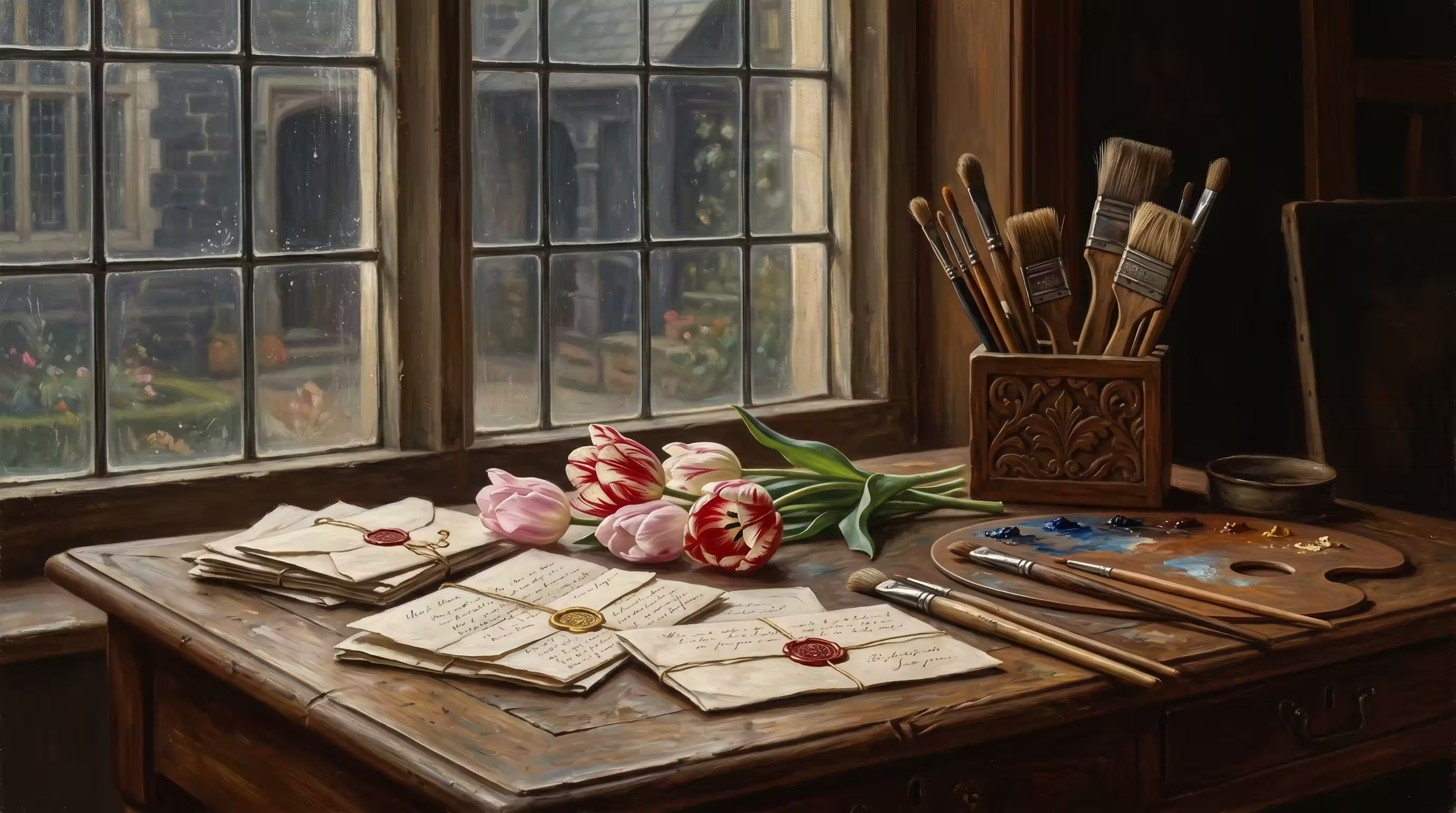
In letters to the cardinal, Brueghel explained the delays in fulfilling commissions by saying that he literally had to wait for nature. He visited the royal botanical gardens in Brussels to paint the rarest varieties exclusively from life. The artist wrote to Borromeo: “I put all my skill into this painting. Believe me, beneath this vase there is not a single flower that I did not paint from life”.
What to look at here
- An impossible bouquet: Flowers from different seasons — spring tulips, summer roses, irises — do not grow at the same time, yet on the canvas they are brought together. It’s a kind of flora encyclopedia on a single canvas.
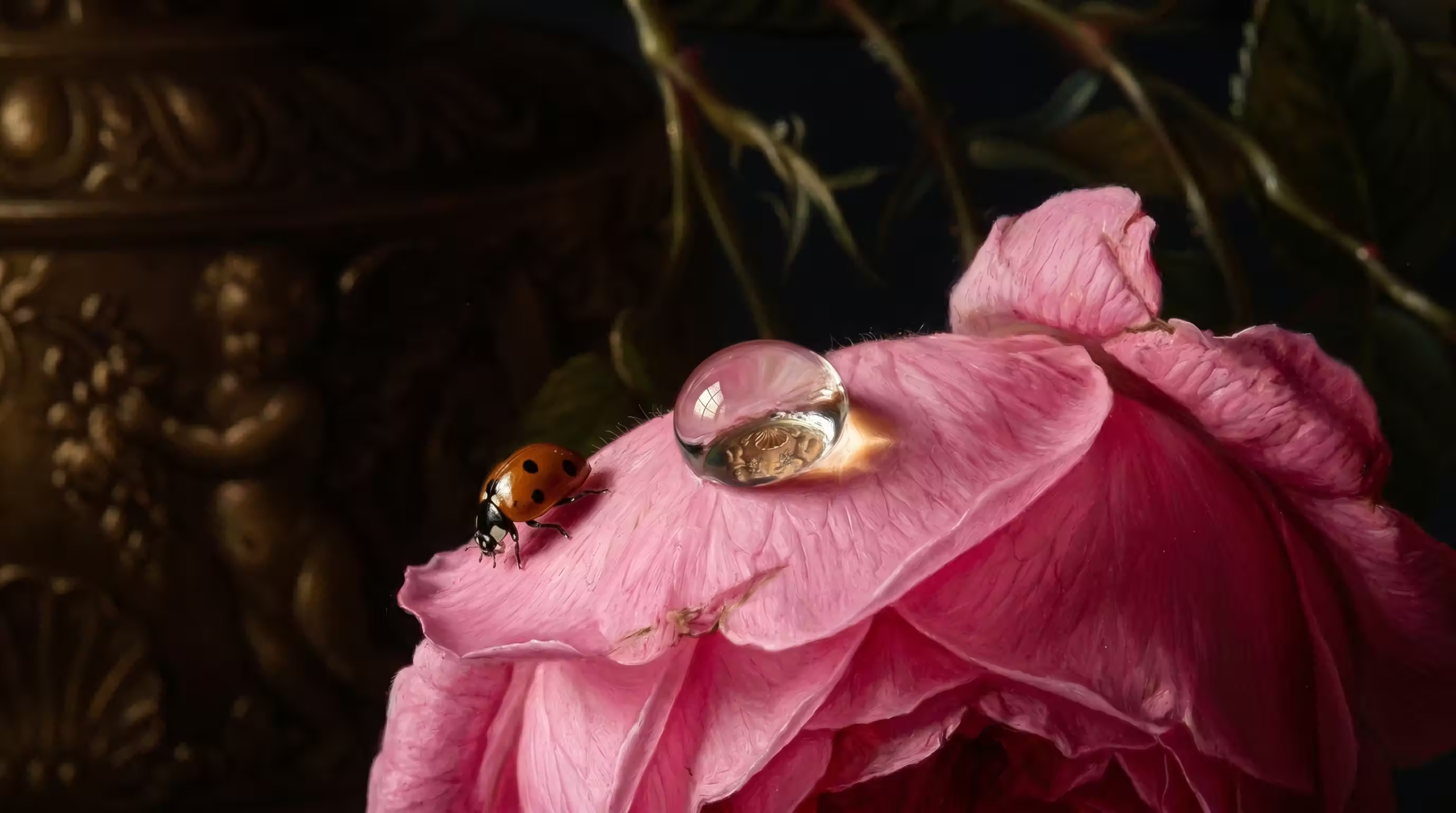
- Vanitas and the fragility of life: In the depths of the vase, on the leaves and petals, snails, caterpillars, butterflies, and drops of dew hide. Brueghel painted not just “flowers” — he encoded a message about the fleeting nature of beauty: insects are already ready to eat these perfect plants.
- Botanical accuracy and the price: The painting depicts more than 100 species of flowers, including rare tulips. At the time (on the eve of the “tulip mania”), some bulbs were worth more than the painting itself!
- Reflections of the world: The vase reflects the artist’s studio window. It’s a small detail noticed by only a few, but it turns the still life into a document of real space and light.
Interesting facts
- Velvet Brueghel: For his incredible ability to render the soft textures of petals and fabrics, the artist earned the nickname “Velvet Brueghel” (Velvet Brueghel).
- A collaboration of geniuses: Brueghel was a close friend of Peter Paul Rubens. They often worked together on a single painting: Rubens painted the human figures, while Brueghel brilliantly painted floral garlands and animals around them.
What this gives the artist
- Patience as a technique. Brueghel did not rush to finish — he waited for the right reference. Good work requires its time, and this is a legitimate artistic method.
- Observations before the brush. Every detail is studied separately: the form of the stamen, the direction of the leaf veins, where the shadow falls. Draw what you see — not what you “know.”
- Assembly as composition. You can assemble the painting from separately studied elements — it’s not a trick, it’s a method. The sketchbook becomes a personal archive of such observations.
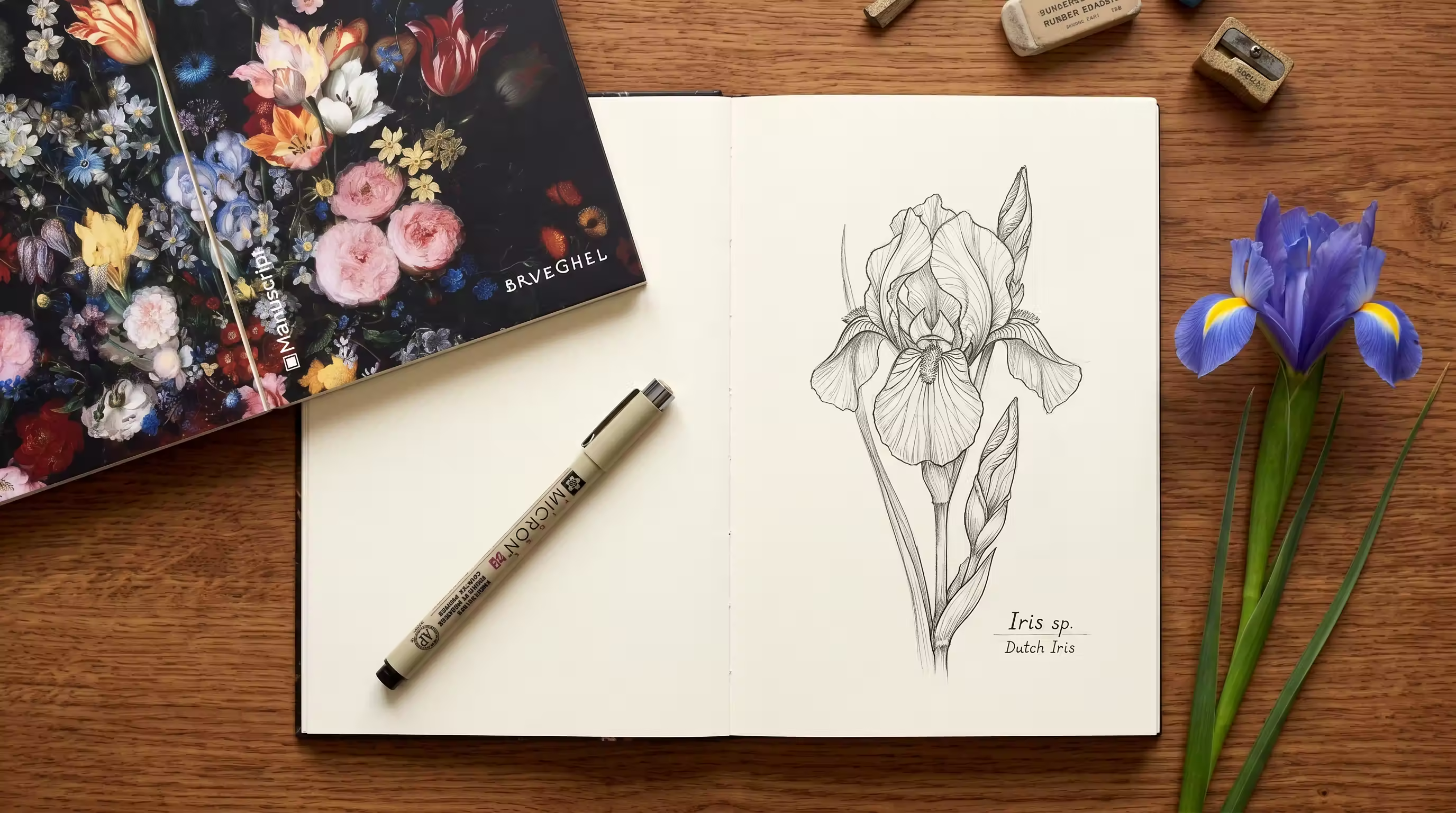
To accumulate an archive like this of observations, you need paper that doesn’t distort detail. Manuscript Plus sketchbooks are made with Swedish designer paper in a creamy tone, 150 g/m² — it withstands working through each element separately, without deforming and without smearing where it shouldn’t.