

A single branch, a flat sky, and all of Japan inside a European landscape
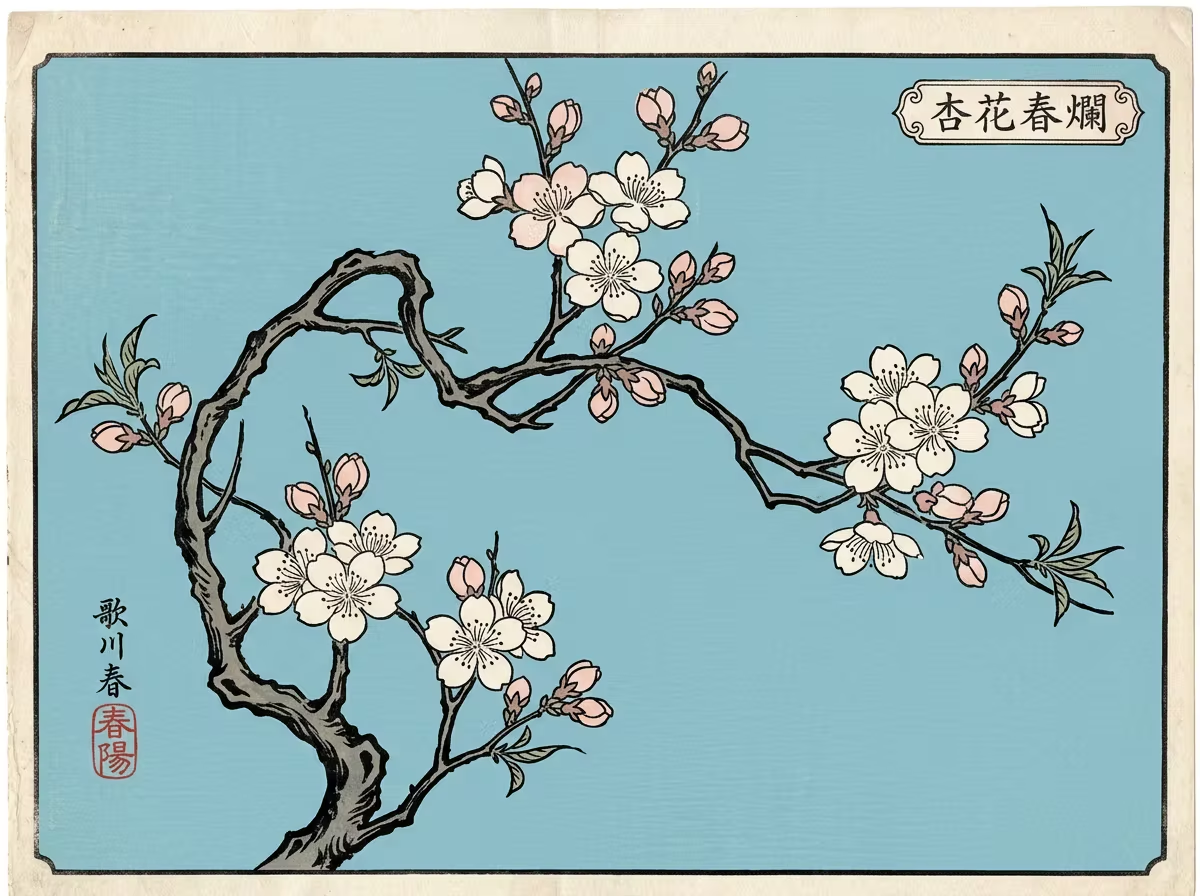
Van Gogh painted «Almond Blossoms» as a gift for the birth of his nephew — a symbol of new life. But the work reads as something more: a true dialogue with Japanese woodblock prints he collected for years.
Creation story: Hope from the hospital ward
February 1890, Saint-Rémy-de-Provence. Vincent van Gogh is in the clinic, going through a difficult period. And then, all of a sudden, he receives a letter from his brother Theo: Theo has a son, and they decided to name him after the artist — Vincent Willem. The news filled Van Gogh with incredible light.
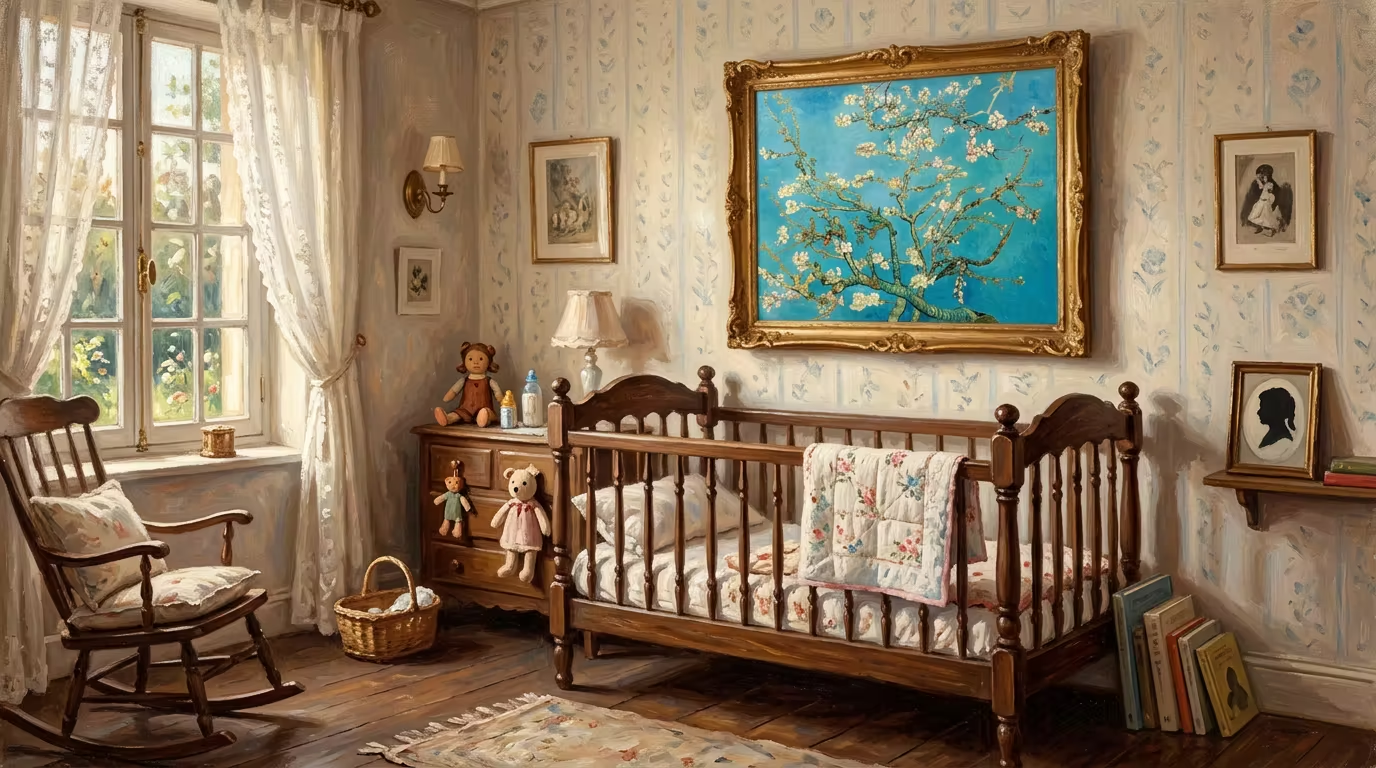
He immediately picks up his brush to create a gift that would hang above the baby’s crib. His choice falls on the almond: in the south of France it blooms among the first, already in February, heralding the arrival of spring and the victory of life over winter cold.
What to look at here
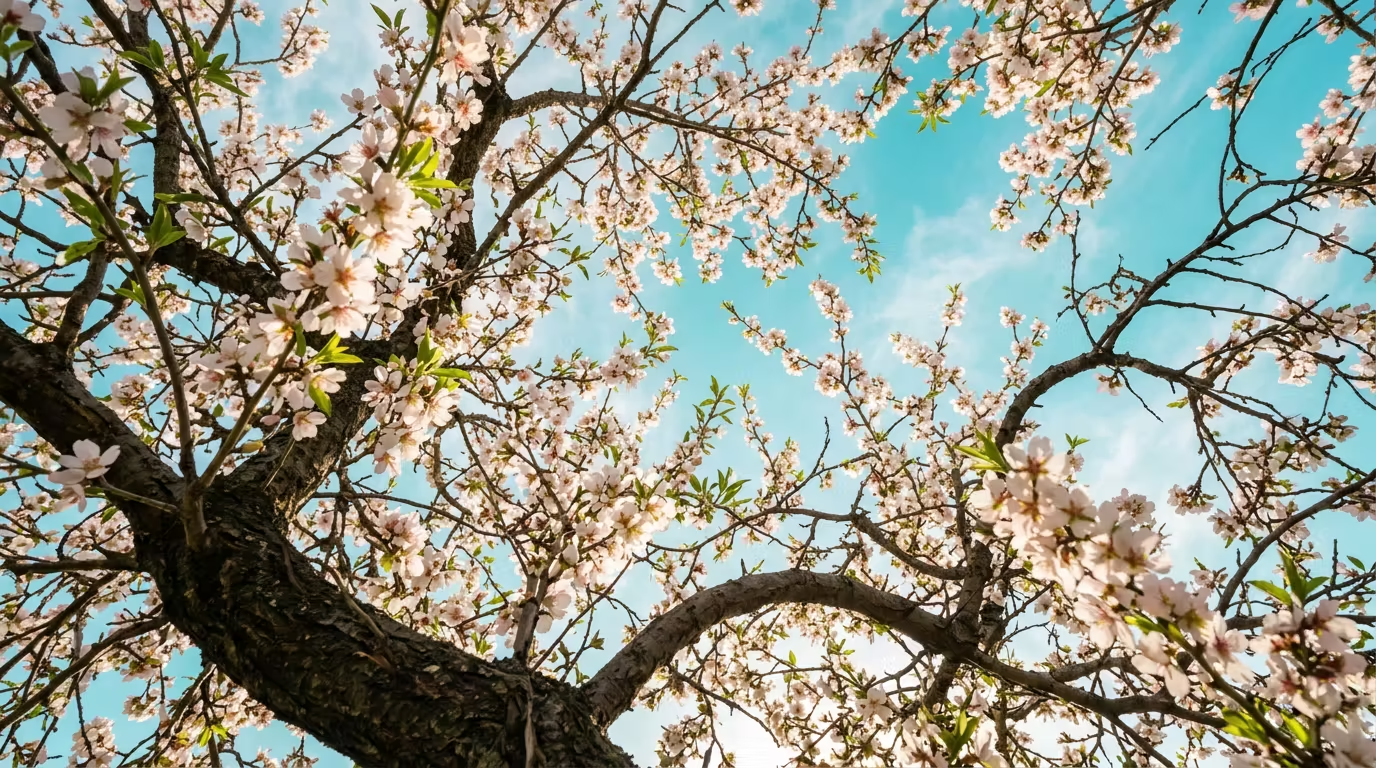
- View from below: We don’t see either the ground or the tree trunk. The viewer seems to be lying in the grass, looking straight up into the sky through the branches. This creates the effect of complete immersion in the moment.
- Japanese influence: A flat background, branches trimmed by the edges of the canvas, a strong diagonal — a clear nod to ukiyo-e (Hokusai and Hiroshige woodblock prints). Notice the dark, crisp outlines that trace the branches.
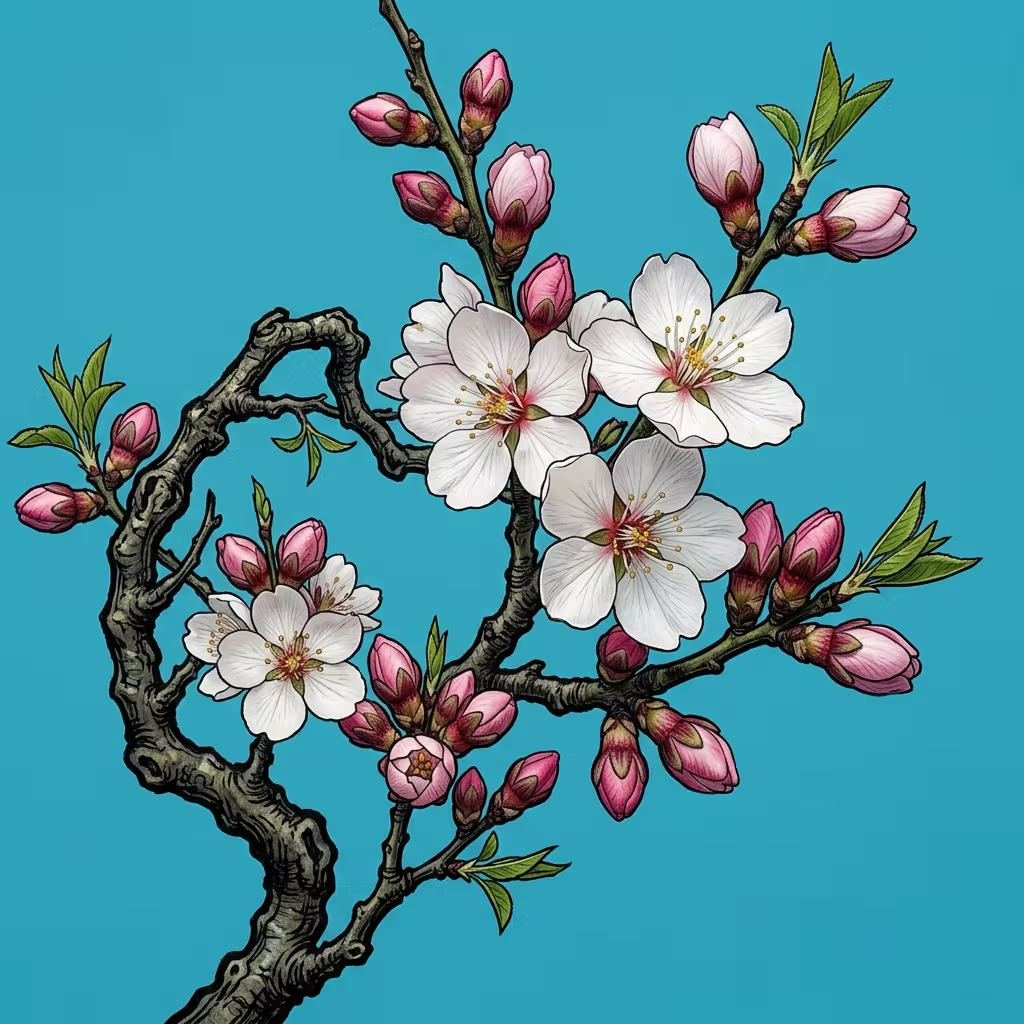
- Living asymmetry: The flowers are not symmetrical: some buds are still firmly closed, others are in full bloom — different stages of development coexist at once, like a metaphor for life itself.
- Magic of color: Modern research shows that at first the sky was more violet, and the flowers were vividly pink. Over the years, the red pigment faded, and the painting acquired that famous turquoise-blue shade we see today.
Interesting facts
- A family relic: This painting was never exhibited for sale during the family’s lifetime. Theo’s wife, Johanna, hung it above the baby’s bed. It remained the family’s most precious treasure of the Van Goghs.
- The artist’s calm: In a letter to his brother, Vincent wrote that this was perhaps the first work he had made in a long time with an absolutely calm heart and a steady hand. There are almost no nervous «whirlwinds» typical for him here.
- The nephew’s fate: That same nephew, Vincent Willem, to whom the painting is dedicated, grew up and later founded the Van Gogh Museum in Amsterdam, where this masterpiece is kept to this day.
What it gives the artist
- A simple flat background provides the perfect contrast for complex details.
- You can build the work around a single motif — a branch, a leaf, a silhouette — if you plan the rhythm and the negative space.
- A personal symbol can turn into a universal metaphor.
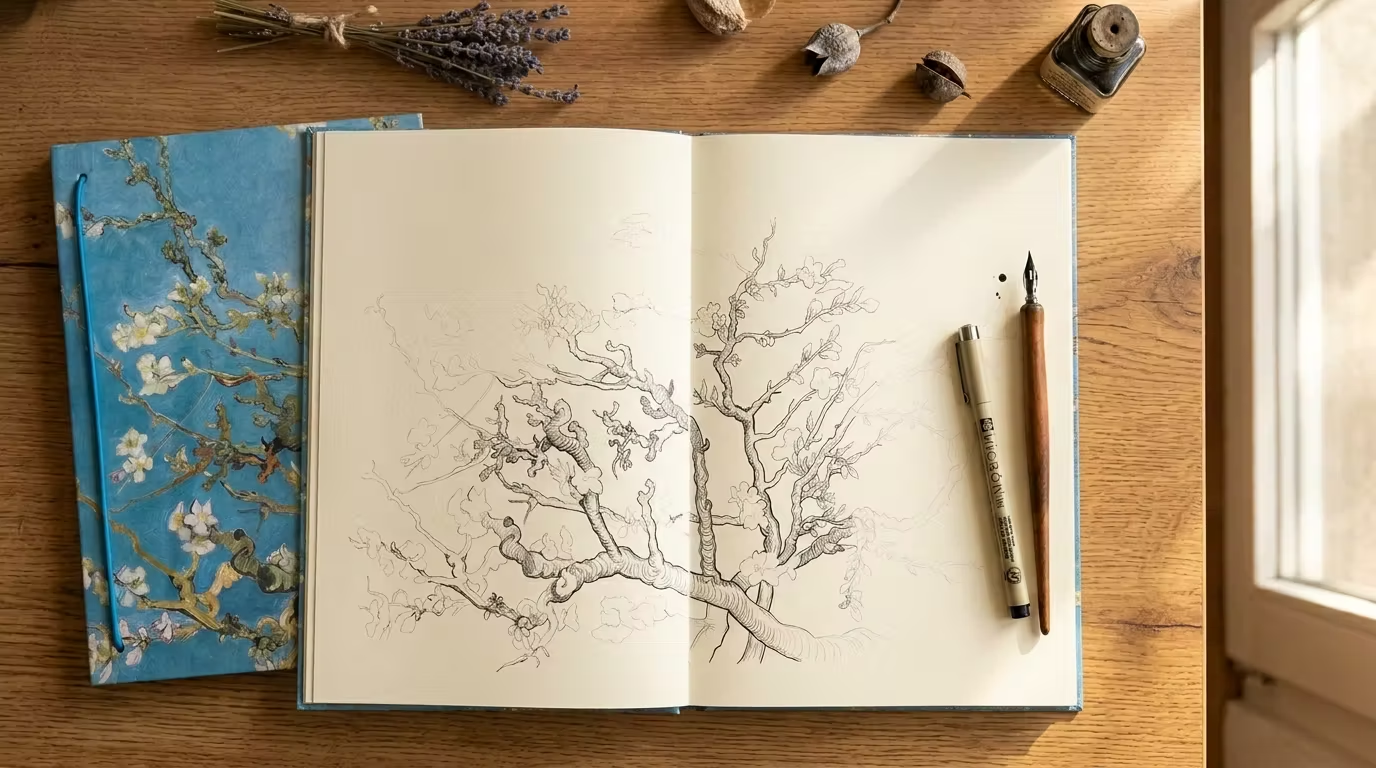
A botanical sketch on Manuscript Plus cream paper — a smooth surface, calm pen edges without «beard». That kind of surface is exactly what’s needed for a delicate contour of branches, to repeat the same confident line.